

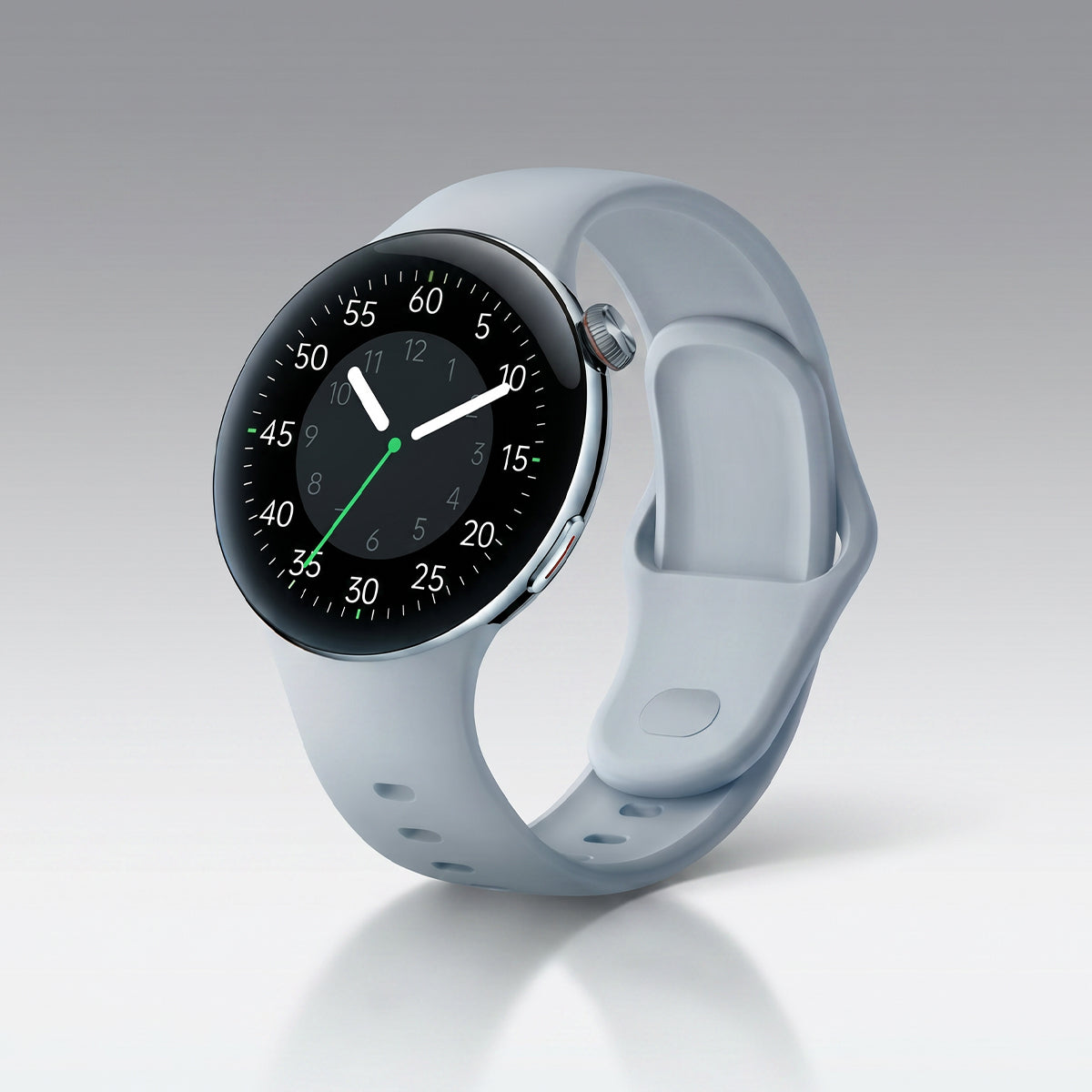
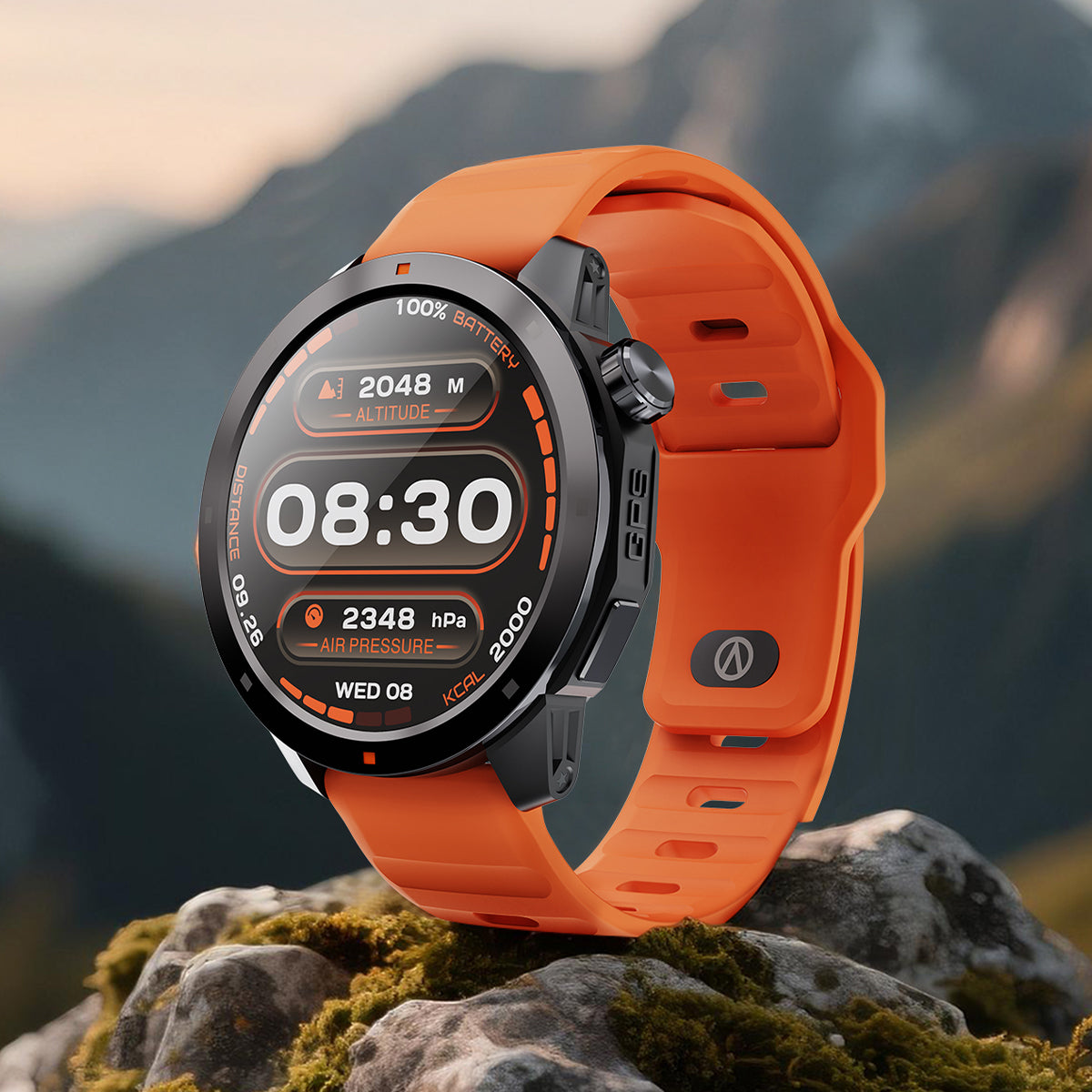


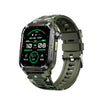

You've seen it on your watch: VO₂max. Maybe it says 42. Maybe it says "below average." Maybe you have no idea what it means — but you have a vague feeling it's judging you.
Good news: it's not judging. It's predicting. And once you understand it, you can actually improve it.
What VO₂max Actually Means
VO₂max = the maximum amount of oxygen your body can use during intense exercise.
Simple version: how efficiently your body turns air into energy.
-
Higher number = your heart, lungs, and muscles work together better
-
Lower number = your body has to work harder to do the same thing
It's measured in ml/kg/min — millilitres of oxygen per kilogram of body weight per minute. The higher, the better.
Why care? Because VO₂max is one of the strongest predictors of long‑term health and lifespan — often more telling than blood pressure or cholesterol.
How Your Watch Estimates It (Without a Lab)
In a lab, you'd wear a mask on a treadmill until you can't go anymore. Not exactly convenient.
So your watch does it with math and patterns:
-
Heart rate — how fast your heart beats at a given pace
-
Pace or power — how fast you're running or cycling
-
Age, sex, weight — for context
-
HRV and resting heart rate — as recovery markers
The algorithm looks at the relationship between your heart rate and your speed. If your heart beats slower at the same pace over time, your VO₂max is improving.
It's an estimate, not a lab result. Expect it to be roughly in the right ballpark — not exact. Chest straps and GPS runs give the best data; wrist‑only readings are rougher.
What Your Number Means
Rough guide (for adults, varies by age and sex):
-
Below 30 — low; focus on building a base
-
30–40 — average for most recreational athletes
-
40–50 — good; you're fit
-
50+ — excellent; endurance territory
-
60+ — elite (think competitive runners)
Don't obsess over the absolute number. Your trend matters more than your score. Going from 35 to 38 over three months is a real win.
How to Actually Improve It
VO₂max responds to one thing: training that pushes your cardiovascular system.
1. Intervals (the big one)
4 minutes hard, 3 minutes easy. Repeat 4 times. This is the gold‑standard workout for raising VO₂max. Once a week is plenty.
2. Long, easy runs
Build your aerobic base. 60–90 minutes at a conversational pace. Boring, but it works.
3. Consistency
Three to four sessions a week for 8–12 weeks is where you'll see real change. Sporadic effort won't move the needle.
4. Don't neglect recovery
VO₂max improves when you rest, not just when you train. Sleep and easy days are part of the plan.
Why It Goes Down (And What to Do)
-
Detraining — two weeks off and it drops noticeably
-
Illness — your watch may lower its estimate after a sick spell
-
Weight gain — since it's per kilogram, more weight means a lower number
-
Bad data — loose watch, no GPS, treadmill runs with no calibration
If your number suddenly tanks, check the data quality first. Then check your habits.
The Bottom Line
VO₂max isn't a grade. It's a trend line for your fitness — and one of the best health signals you can track.
Don't chase the number. Chase the habits that move it: intervals, easy miles, consistency, and rest. Do that, and the number follows.
Your watch is just keeping score. 😉


Hinterlasse einen Kommentar
Diese Website ist durch hCaptcha geschützt und es gelten die allgemeinen Geschäftsbedingungen und Datenschutzbestimmungen von hCaptcha.